logo/All Projects/AWS Panorama
AWS·Platform UX·2022 – 2023

AWS Panorama

Designing computer vision UX for edge environments — security, retail, and manufacturing.
Role
Lead UX Designer (AWS AI/ML)
Scope
Discovery · UX system · Mobile pivot · MVP launch
Industries
Physical Security · Retail · Manufacturing
Partners
PMs · Applied Scientists · SDEs · Solutions Architects
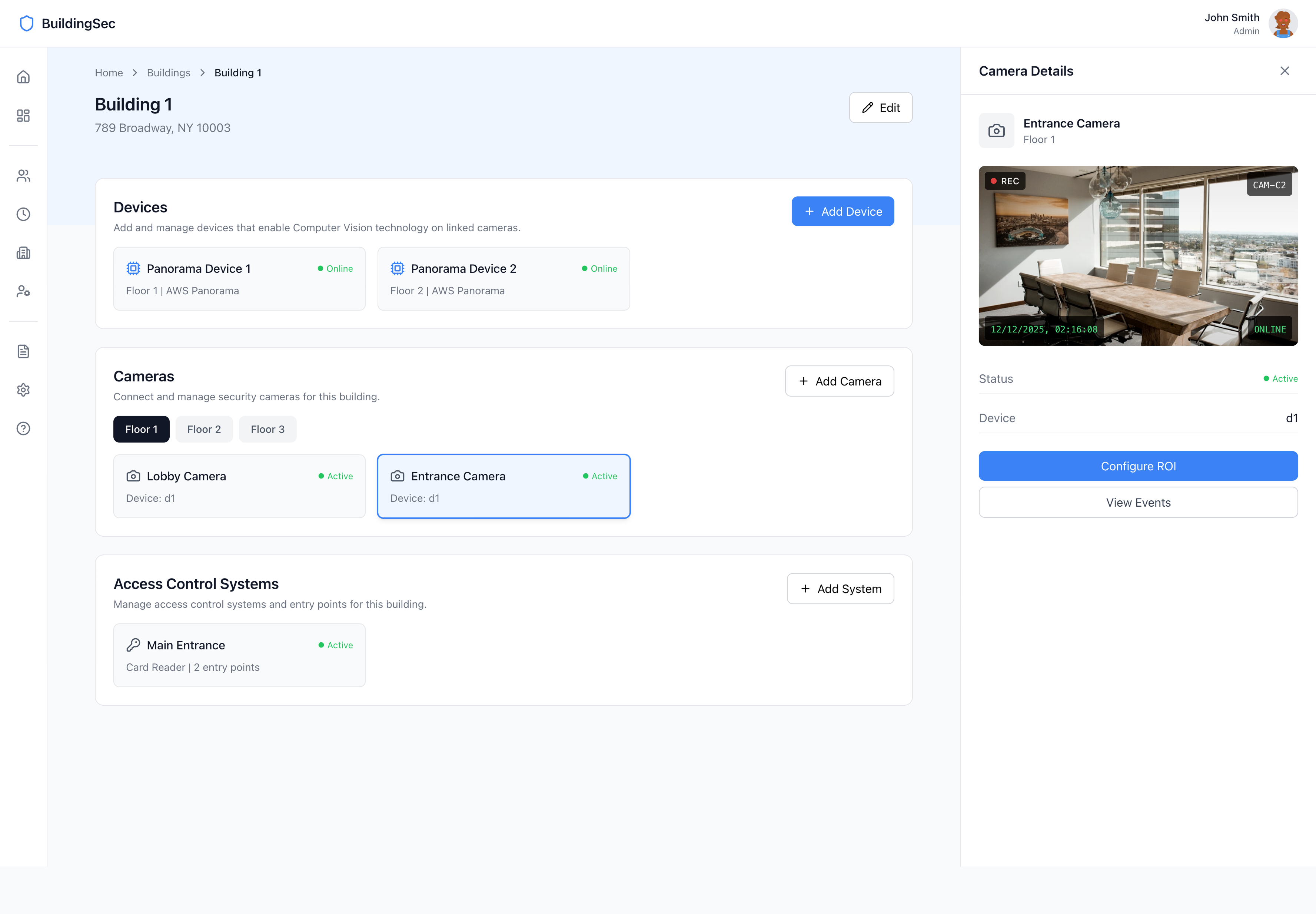
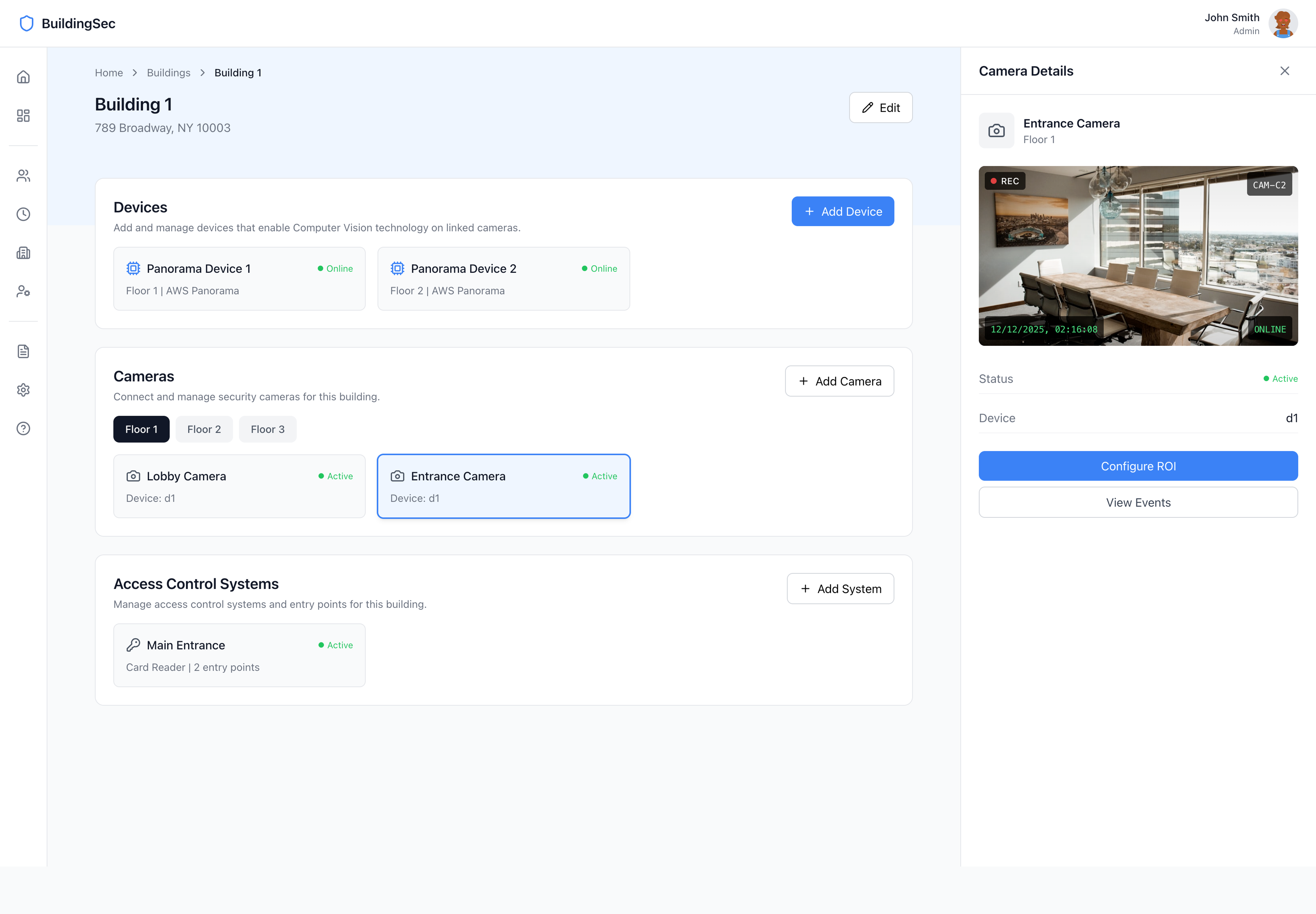
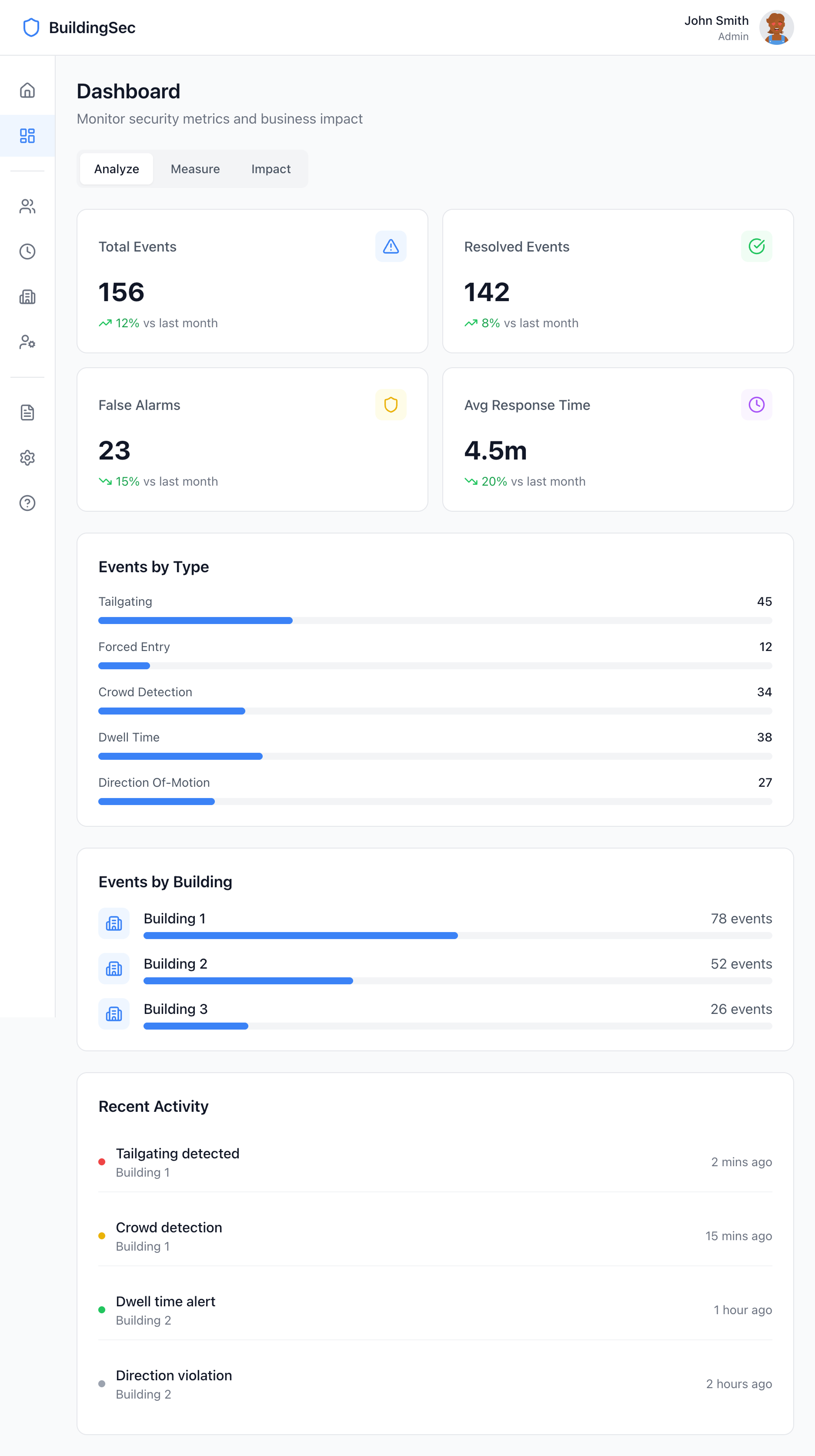
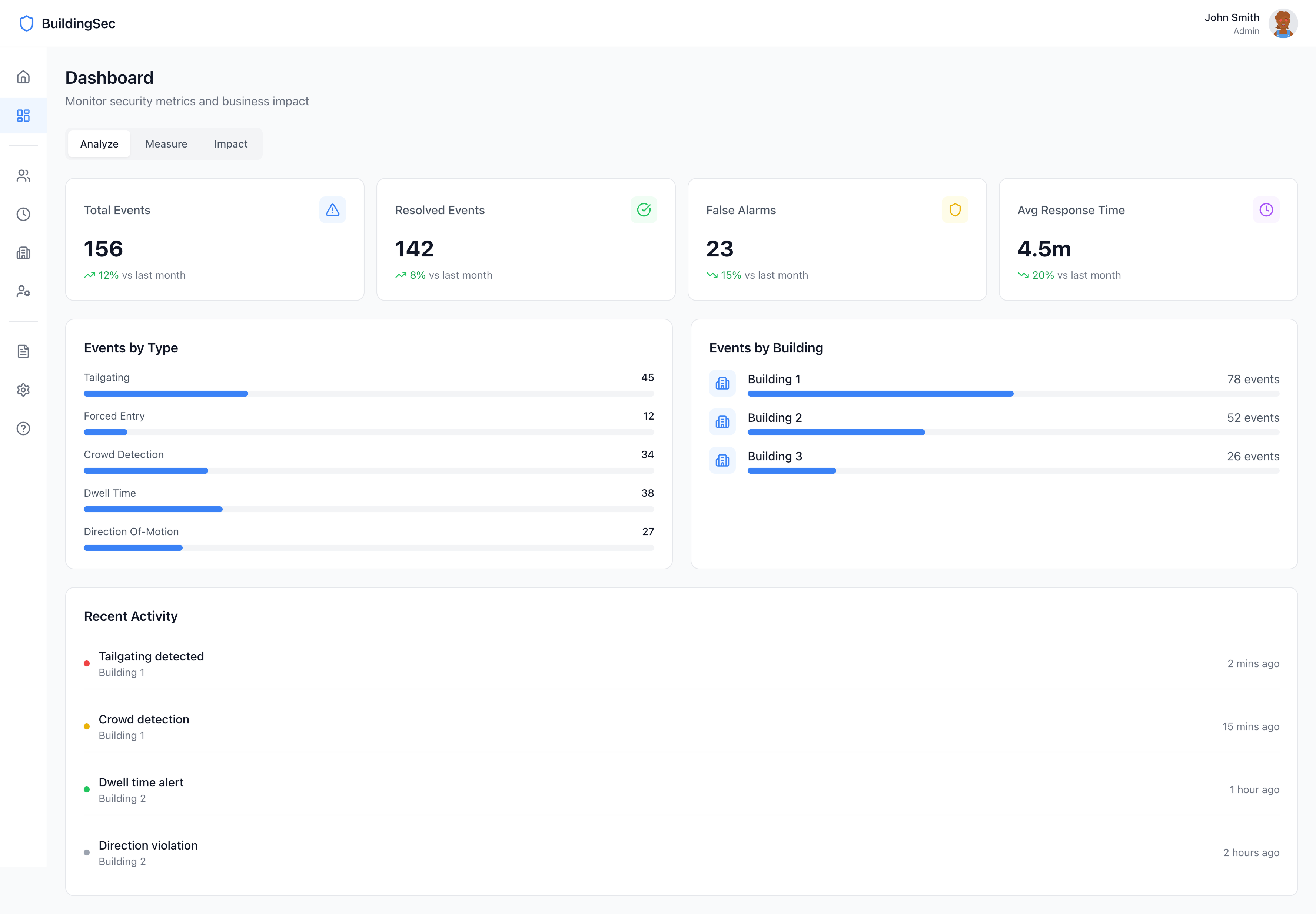
AWS Panorama dashboardAWS Panorama building monitoring screensAWS Panorama monitoring interfaceAWS Panorama computer vision interface

Overview

AWS Panorama is an edge-based computer vision service that lets customers deploy and manage vision-enabled applications on on-premise cameras without sending video streams to the cloud. I led the UX for a zero-to-one initiative inside AWS that validated Panorama's potential across three industries: physical building security, retail, and manufacturing.
The problem

At kickoff there was no product, no data, and no shared definition of what "edge CV UX" should look like. Three Product Managers each had a different industry vision. Customers in those industries had real, expensive problems — tailgating and forced entries in security, foot-traffic and queue analytics in retail, defect detection in manufacturing — but no clear path from "ML model on the edge" to a workflow an operator could actually use.

"How do we simplify CV model deployment at the edge across multiple industries — without building three separate products?"

Approach

I worked as the embedded UX designer across the AI/ML organization, partnering closely with PM, applied science, engineering, and solutions architects. The work moved through four phases.

  • Discovery and proto-personas. Met individually with each PM to map business and user context. Consolidated into one-page briefs covering operations managers, security personnel, retail operations, and technical integrators — then turned those into task-flow diagrams spanning device registration, model deployment, and incident handling.
  • Modular architecture. The three industries had real overlap in core capabilities. I proposed a modular, reusable UX architecture so shared modules (registration, activation, deployment) supported all three industries — reducing duplication and accelerating MVP.
  • Feature Flow system. Technical reviews were slow and fragmented. I introduced a single source-of-truth artifact in Figma — Feature Flow — combining feature descriptions, assumptions, API mappings, and QA scenarios so PM, design, engineering, and QA could collaborate asynchronously in one place.
  • Mobile pivot from on-site research. During beta, I conducted on-site research with security guards and managers across multiple locations. Critical workflows happened on mobile devices, not desktops — guards needed to log and resolve incidents while on patrol. We added a mobile experience that closed the gap.

Outcome

The Feature Flow system accelerated alignment across a large, distributed team of PMs, scientists, engineers, and QA. The modular UX architecture produced reusable patterns across industries, shortening time-to-market. Beta testing succeeded enough to land partnership deals, and one of the products was acquired internally by another AWS security platform — extending impact beyond the initial scope.

Reflections

  • Transparency vs. abstraction. Designing AI systems requires balancing visibility into model behavior with appropriate abstraction for the people who consume the deployed output.
  • Edge UX amplifies feedback. Edge environments make error states and system feedback far more important. Identifying commonalities early across industries built leverage and reusable patterns.
  • Cross-disciplinary upstream. When UX intersects ML and hardware, scientists and engineers have to be in the room early — design decisions depend on their input.

This case study is described at a high level. Some details, metrics, and internal tooling are generalized or omitted under confidentiality. A deeper walkthrough with workflows, feature flows, and screens is available on request.

Want the deeper walkthrough?

Process artifacts, feature flows, and the mobile pivot research are available on request.

Get in touch →